Accueil › Évolution : planète, vie et humanité
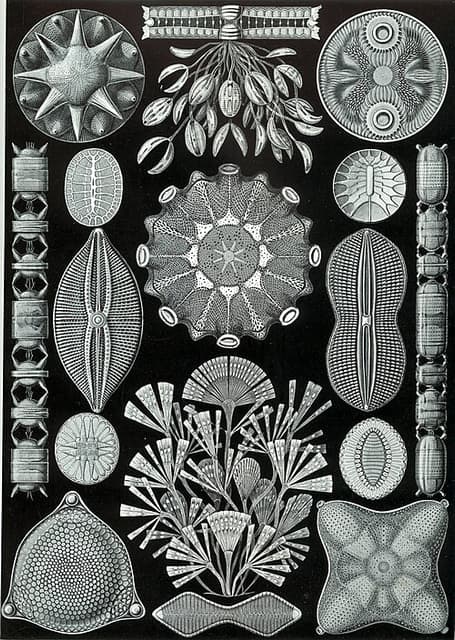
« Diatomea — diatoms » est une œuvre de Ernst Haeckel, datée de 1904 (See [http://caliban.mpiz-koeln.mpg.de/haeckel/kunstformen/high/Tafel_084_schema_300.html here] for index to numbers.). Dans le musée Antypas, elle est exposée dans la galerie « Évolution : planète, vie et humanité — Végétation », Salle 1.2, où l’on peut la contempler en 3D, l’agrandir en haute définition et écouter son commentaire audio.
Questions fréquentes
- Qui a réalisé « Diatomea — diatoms » ?
- « Diatomea — diatoms » a été réalisée par Ernst Haeckel.
- De quand date « Diatomea — diatoms » ?
- L’œuvre est datée de 1904.
- Où voir « Diatomea — diatoms » ?
- On peut la voir gratuitement en 3D au musée Antypas, dans la galerie « Évolution : planète, vie et humanité — Végétation » (Salle 1.2).
- L’image de « Diatomea — diatoms » est-elle libre de droits ?
- Oui : l’image utilisée est dans le domaine public — source : Wikimedia Commons.
Dans la même galerie
 Antypas
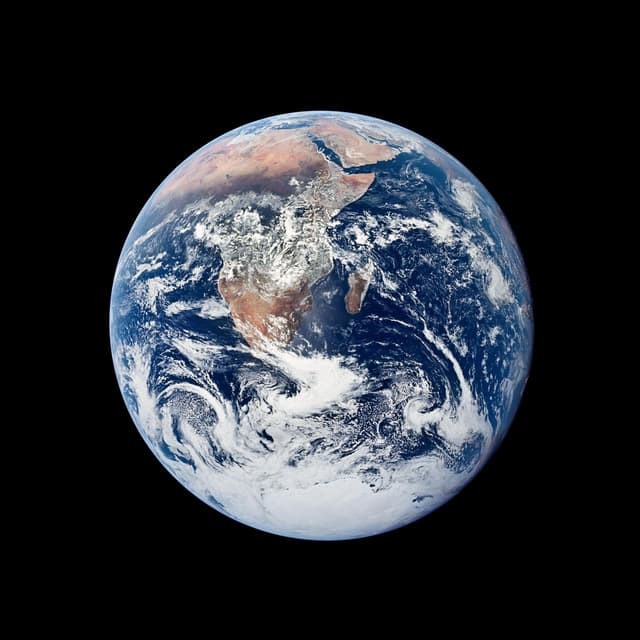 La Bille bleue
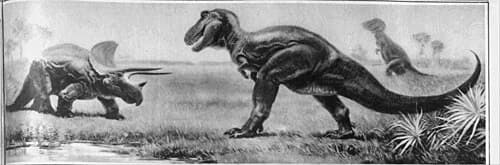 Tyrannosaurus rex and Triceratops
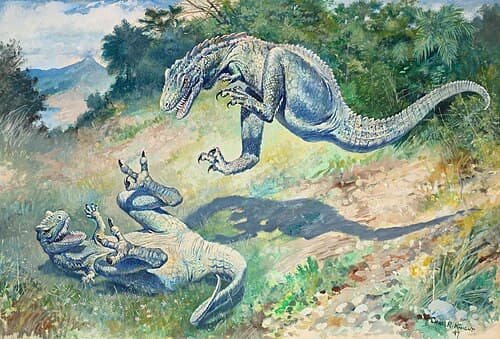 Leaping Laelaps
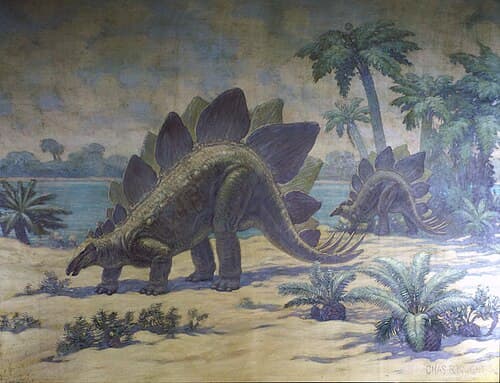 Stegosaurus
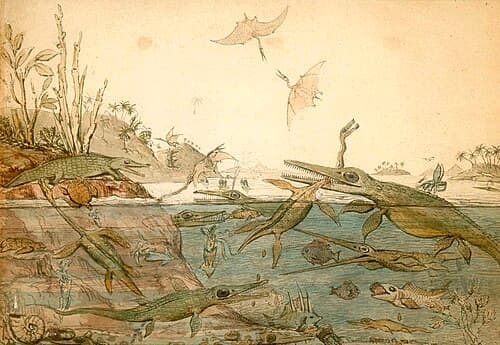 Duria Antiquior — a more ancient Dorset
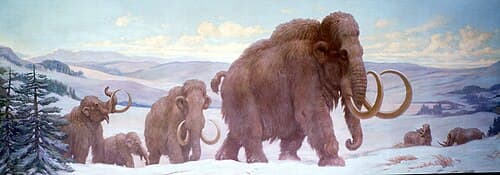 Woolly mammoths
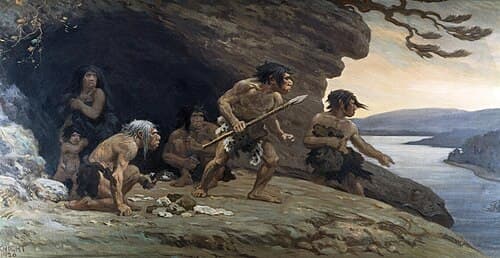 Neanderthal flintworkers
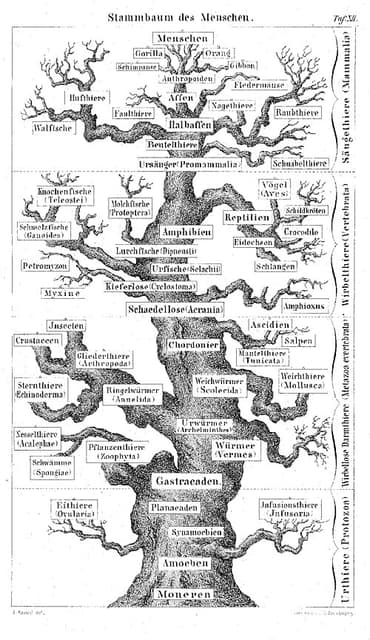 The Pedigree of Man
