Accueil › Évolution : planète, vie et humanité
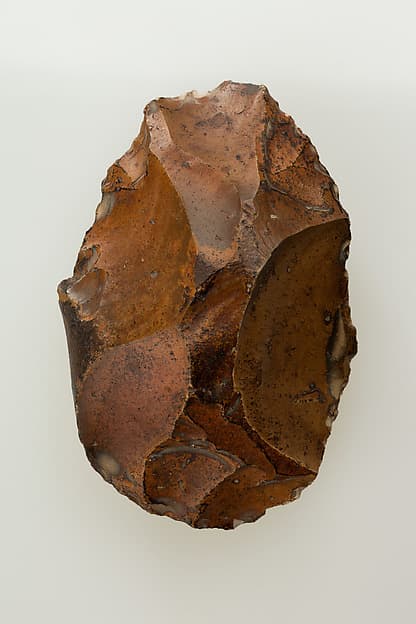
« Biface, commonly referred to as a hand ax » est une œuvre de Lower Paleolithic Period, datée de ca. 400,000–240,000 B.C. (Flint). Chez ANTYPAS Art, elle est exposée dans la galerie « Évolution : planète, vie et humanité — Évolution humaine », Salle 1.4, où l’on peut la contempler en 3D, l’agrandir en haute définition et écouter son commentaire audio.
Questions fréquentes
- Qui a réalisé « Biface, commonly referred to as a hand ax » ?
- « Biface, commonly referred to as a hand ax » a été réalisée par Lower Paleolithic Period.
- De quand date « Biface, commonly referred to as a hand ax » ?
- L’œuvre est datée de ca. 400,000–240,000 B.C..
- Où voir « Biface, commonly referred to as a hand ax » ?
- On peut la voir gratuitement en 3D chez ANTYPAS Art, dans la galerie « Évolution : planète, vie et humanité — Évolution humaine » (Salle 1.4).
- L’image de « Biface, commonly referred to as a hand ax » est-elle libre de droits ?
- Oui : l’image utilisée est publiée sous licence CC0 (domaine public) — source : The Met Open Access.
Dans la même galerie
 ANTYPAS Art
 La Bille bleue
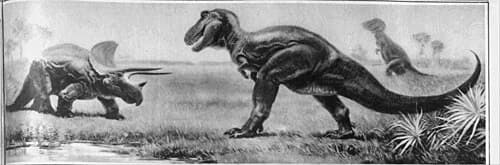 Tyrannosaurus rex and Triceratops
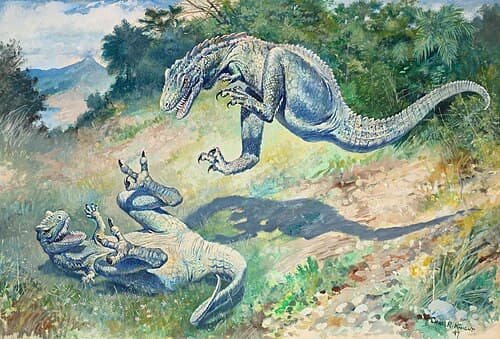 Leaping Laelaps
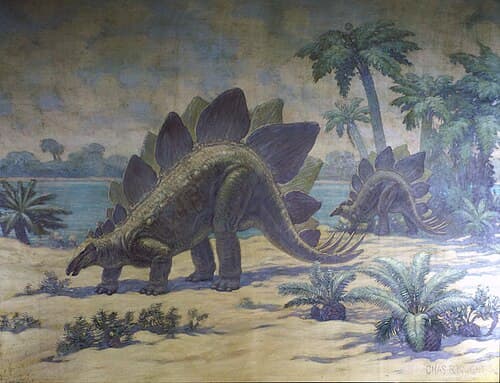 Stegosaurus
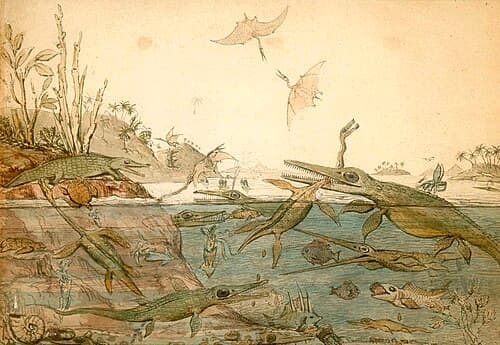 Duria Antiquior — a more ancient Dorset
 Woolly mammoths
 Neanderthal flintworkers
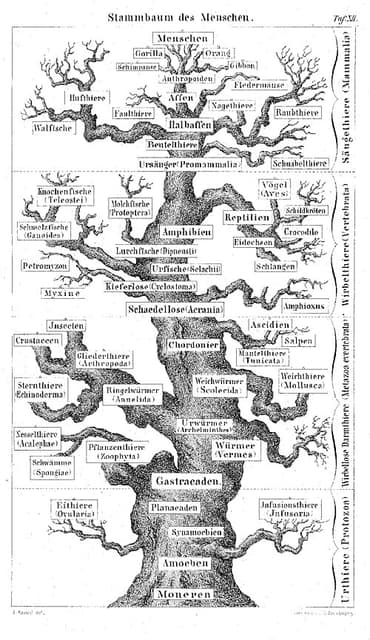 The Pedigree of Man